Loan on Mutual Funds: Eligibility, Benefits & Features
9 November 2024 5 min read
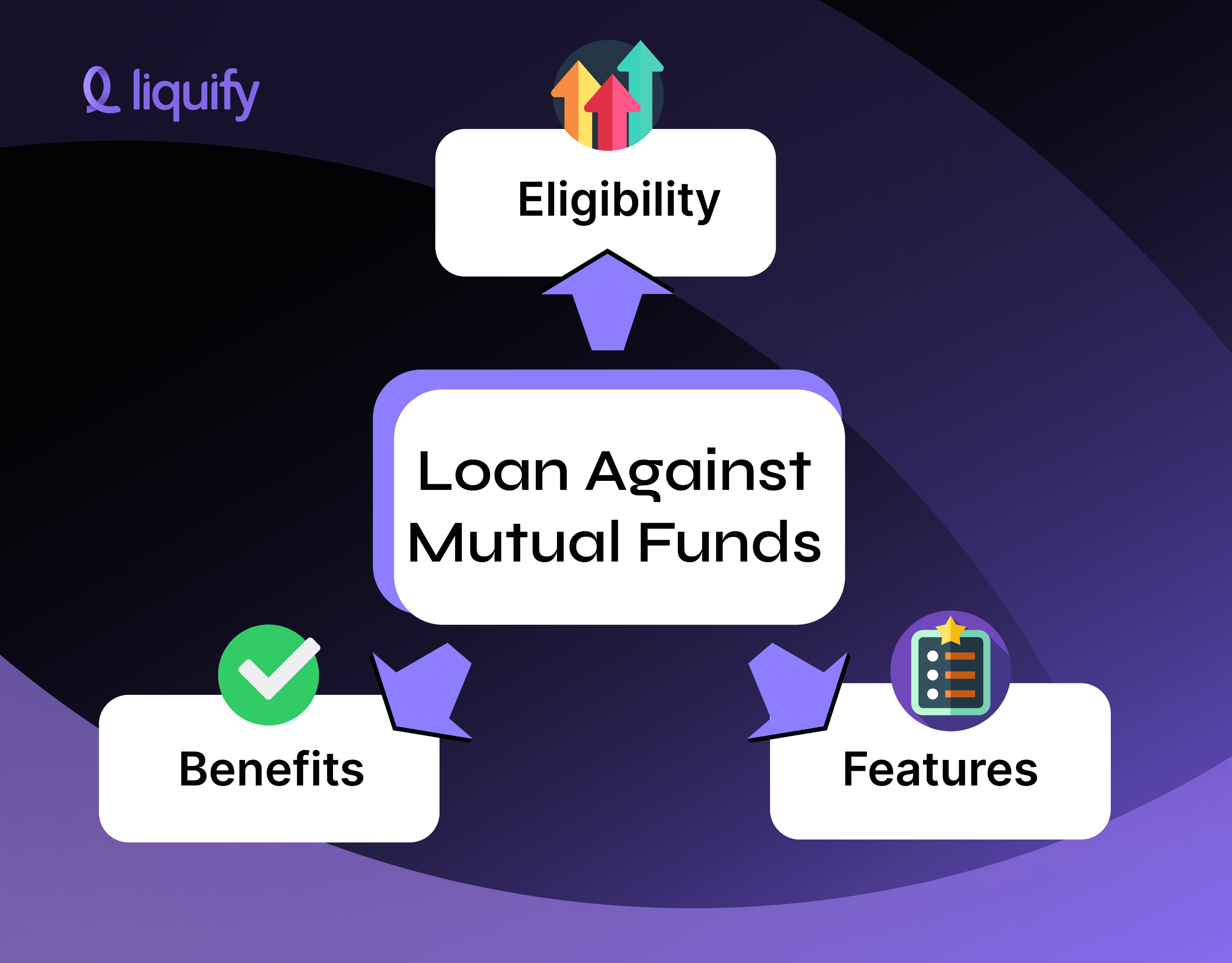
Loan Against Mutual Funds: Eligibility, Benefits, and Features
If you’re a mutual fund investor looking for quick access to funds without disrupting your investment strategy, a loan against mutual funds might be the ideal solution. This type of loan allows you to leverage your investments as collateral, giving you a line of credit while keeping your portfolio intact. Here’s a closer look at the eligibility, benefits, and features of a loan against mutual funds, along with how Liquify can make the process seamless and efficient.
What is a Loan Against Mutual Funds?
A loan against mutual funds is a secured loan where your mutual fund units act as collateral. This type of loan is particularly beneficial when you need liquidity but don’t want to sell off your assets. Since mutual fund units are typically valued daily, they serve as a reliable asset for lenders, who in turn offer competitive interest rates.
Eligibility Criteria for Loan Against Mutual Funds
Eligibility criteria for a loan against mutual funds can vary depending on the financial institution, but here are some common factors lenders consider:
- Age: Most lenders require borrowers to be above 18 years.
- Ownership of Mutual Funds: Only mutual fund units registered in your name are eligible. If the units are jointly held, both holders must approve the lien.
- KYC Compliance: You must be KYC-compliant as per regulatory standards.
- Type of Mutual Fund: Both equity and debt mutual funds can usually be used as collateral, although the loan-to-value (LTV) ratio may differ based on fund type.
By meeting these criteria, you’re typically eligible to apply for a loan against mutual funds. Liquify ensures an easy process, making it accessible for more people to leverage their mutual fund investments without hurdles.
Key Benefits of Taking a Loan Against Mutual Funds
- Retain Investment Ownership
Unlike selling your investments, taking a loan against mutual funds allows you to retain ownership of the units. You continue to benefit from any capital appreciation and dividends. - Competitive Interest Rates
Loans against mutual funds typically offer lower interest rates compared to unsecured loans. The collateral-based structure reduces the risk for lenders, and these savings are passed on to borrowers. - No Prepayment Charges
Many lenders, including Liquify, provide the flexibility to repay the loan ahead of time without any prepayment charges. This gives you control over the loan’s cost and tenure. - Tax-Efficient Option
Selling mutual funds can attract capital gains tax, which can be substantial depending on your investment gains. By taking a loan, you avoid the tax hit and preserve your investment growth. - Fast Disbursal
The process is usually quick, with funds disbursed within a few hours or days. At Liquify, we prioritize quick approvals to meet our clients’ urgent financial needs seamlessly.
Key Features of a Loan Against Mutual Funds
- Loan-to-Value Ratio (LTV)
LTV ratios for loans against mutual funds can range from 50% to 70%, depending on the type of fund. Equity funds generally have a lower LTV due to market volatility, while debt funds can have higher LTV ratios. - Digital Process and Lien Marking
Modern loan providers, including Liquify, offer a digital process for easy application and lien marking. Once the lien is marked, the units cannot be redeemed or sold until the loan is repaid. - Flexible Tenure
Tenure for these loans can vary, usually ranging from a few months to a couple of years. Liquify provides flexible repayment options tailored to meet individual needs. - Minimal Documentation
Documentation requirements are minimal, typically involving identity and KYC documents, along with proof of ownership of mutual fund units. This streamlines the process, making it convenient for borrowers. - Interest Only on Used Amount
You can withdraw funds up to the sanctioned limit and pay interest only on the amount used. This feature offers greater flexibility in managing your borrowing cost, which is a significant benefit with a line of credit against mutual funds.
Why Liquify is the Ideal Choice for a Loan Against Mutual Funds
When it comes to loans against mutual funds, Liquify offers a unique blend of efficiency, transparency, and user convenience. Our platform enables you to access funds swiftly without any disruption to your investments. Liquify believes that financial flexibility should come without compromise. We’re here to ensure your dreams can be fulfilled without selling off valuable assets or dealing with unnecessary hassles.
With Liquify’s easy digital application process, competitive rates, and flexible repayment options, you can Wish it, Get it!-securing funds just when you need them while your investments keep working for your future.
Conclusion: Is a Loan Against Mutual Funds Right for You?
A loan against mutual funds is an excellent choice for those who need liquidity but don’t want to sell their investments. It allows you to retain the benefits of your mutual fund growth while gaining access to quick funds at a lower cost. As with any financial decision, it’s essential to consider your needs, financial situation, and repayment ability.
If you’re exploring a loan against mutual funds, look for providers who prioritize your experience, like Liquify. With us, you can trust that your financial journey is in capable hands.
Need cash without liquidating your investments?
Get a credit line from ₹25,000 at 9.75% p.a. Your mutual funds remain 100% invested.
More Insights from Liquify
View all
How Mutual Fund Redemption Impacts Long-Term Wealth Creation
How Mutual Fund Redemption Impacts Long-Term Wealth Creation Every month, a large number of Indian investors make a mutual fund re...

Loan Against Mutual Funds Tax 2026
Tax Implications of a Loan Against Mutual Funds The biggest tax advantage of a loan against mutual funds tax 2026 framework is si...

Emergency Fund vs Mutual Fund Loan
Emergency Fund vs Loan Against Mutual Funds Most financial advice treats emergency fund vs mutual fund loan as separate topics. Th...